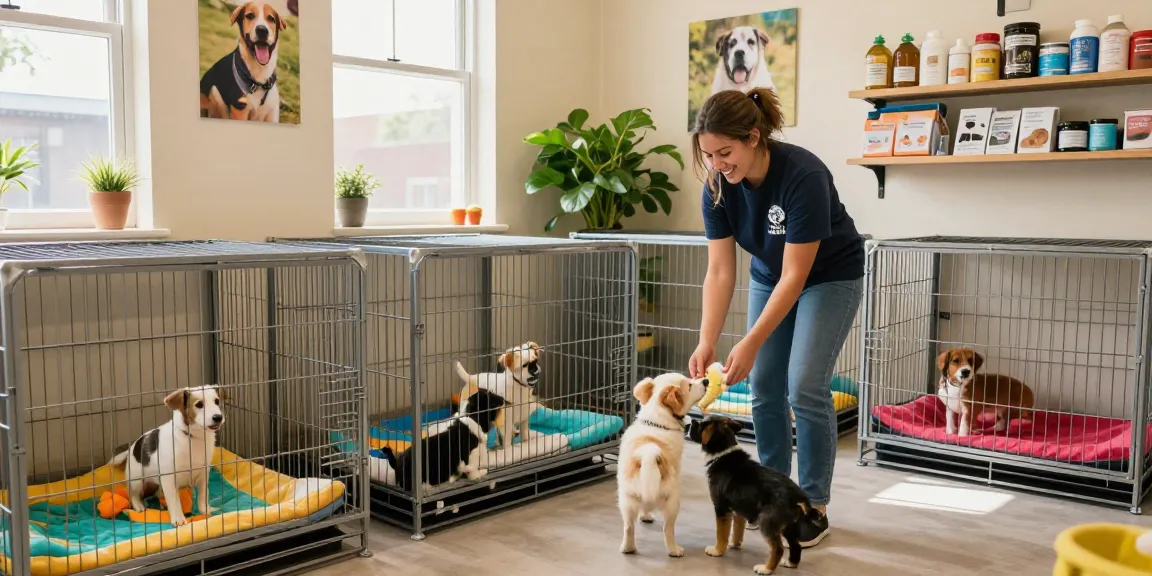
Understanding Pet Rescue Cages
In the realm of pet rescue, creating a safe and nurturing environment for animals is paramount. Pet Rescue Cages serve as vital tools for shelters and rescue organizations, offering secure spaces for animals in need. These cages not only provide a physical enclosure but also play a crucial role in the emotional and physical well-being of the animals housed within them. As animal welfare becomes a focal point in our society, understanding the significance of these cages is essential for anyone involved in animal care.
What Are Pet Rescue Cages?
Pet rescue cages are specialized enclosures designed to accommodate rescued animals in shelters and rescue organizations. These cages can vary in size and design to cater to different species, sizes, and specific needs of the animals. Unlike standard kennels, pet rescue cages are often multifunctional, enabling them to provide comfort, safety, and ease of access for both staff and animals.
The Importance of Safe and Comfortable Environments
Animals in rescue situations often experience stress, fear, and uncertainty. Providing a safe and comfortable environment through the use of quality pet rescue cages can mitigate these issues significantly. Well-designed cages help in reducing anxiety levels, allowing animals to feel secure as they adjust to new surroundings. This environment is crucial for recovery, rehabilitation, and eventual adoption.
Key Features of Quality Pet Rescue Cages
- Durability: Made from high-quality materials that withstand the wear and tear from daily use.
- Ventilation: Adequate airflow to prevent overheating and ensure a comfortable living space.
- Safety: Secure locks and no sharp edges to protect both animals and caregivers.
- Easy Maintenance: Smooth surfaces that are simple to clean and sanitize.
- Modular Design: Flexibility to customize and adapt to specific needs and spaces.
Selecting the Right Pet Rescue Cages
Choosing the right pet rescue cages requires careful consideration of various factors that can affect animal welfare. The well-being of the animals should always be the top priority, as well as the operational efficiency of the rescue organization.
Factors to Consider When Choosing Cages
- Space Requirements: Assess the available physical space in the shelter and the number of animals you intend to house.
- Species-Specific Needs: Different species, such as dogs, cats, and small mammals, have unique requirements. Ensure that the cages are tailored accordingly.
- Age and Size of Animals: Consider the growth potential and energy levels of the animals being rescued.
- Accessibility: Ensure that cages can be easily accessed for feeding, cleaning, and medical care.
- Budget: Balance quality with affordability to maximize your investment in animal care.
Comparing Different Cage Types for Various Animals
When evaluating pet rescue cages, it's essential to understand that one size does not fit all. Different animals require different types of enclosures. For instance:
- Dog Kennels: Larger, robust cages that can withstand the strength of bigger breeds.
- Cat Cages: Often designed to include vertical space for climbing and hiding, which is essential for feline comfort.
- Small Animal Cages: These might include hammocks, hideaways, and multiple levels to keep small pets enriched and active.
Evaluating Space and Layout for Optimal Use
Proper space management is crucial in a rescue environment. Assessing how many cages can fit into a given area while allowing for staff movement and easy access to each pet is vital. Consider using modular cages that can be reconfigured to accommodate different situations and animal needs.
Best Practices for Pet Rescue Cage Management
Effective management of pet rescue cages is essential for providing a high standard of care. Implementing best practices can greatly enhance the overall welfare of the animals.
Maintaining Hygiene and Safety Standards
Regular cleaning and sanitization of cages are imperative to prevent the spread of disease. Establishing a routine cleaning schedule, using appropriate cleaning products, and ensuring that all staff are trained in hygiene protocols will help maintain a safe environment for animals.
Strategies for Enhancing Animal Comfort
- Personalized Spaces: Equip cages with familiar bedding, toys, and other items that can comfort the animals.
- Adjustable Climate Control: Ensure cages are placed in areas with proper temperature control to keep animals comfortable year-round.
- Quiet Zones: Designate areas away from high-traffic zones to help reduce stress levels during peak hours.
Incorporating Enrichment Activities in Cages
Animals in a shelter setting benefit greatly from mental and physical stimulation. Incorporating enrichment activities, such as toys, climbing structures, or even safe chewable items, can significantly improve their quality of life while in captivity.
Real-World Success Stories
Success stories from different shelters highlight the transformative effects of quality pet rescue cages. These anecdotes not only showcase operational enhancements but also provide inspiration to those working in animal care.
Case Study: A Shelter's Transformation with New Cages
One local shelter underwent a significant upgrade of their cage facilities. With new, spacious, and well-ventilated cages, they reported a decrease in animal stress levels and an increase in adoption rates. Prospective adopters often commented on the improved condition of the animals, leading to more successful matches.
Testimonials from Animal Shelters and Rescues
Numerous rescue organizations have shared positive feedback regarding the impact of high-quality cages. Many noted that better living conditions led to healthier animals and more successful rehabilitation processes, ultimately resulting in increased adoptions.
Highlighting Successful Adoption Rates Post-Implementation
Data collected post-implementation of new cages revealed remarkable statistics: shelters noted an increase of up to 30% in adoption rates within the first year following the installation of the new pet rescue cages. These figures underscore the importance of investing in quality enclosures.
Future Trends in Pet Rescue Cages for 2026
As our understanding of animal welfare evolves, so too do the design and functionality of pet rescue cages. Staying updated with future trends ensures that shelters and rescues can provide the best for their animals.
Innovations in Cage Design and Materials
Upcoming innovations include the use of sustainable materials that not only reduce environmental impact but also enhance the comfort and safety of the animals. Expect to see cages designed with modular components that can easily adapt to the changing needs of various species.
Emerging Technologies That Benefit Animal Welfare
Technologies such as temperature control systems, built-in enrichment features, and even monitoring capabilities for health assessments are on the horizon. These advancements will allow shelters to provide even higher levels of care.
Predictions for Changes in Animal Rescue Practices
As society increasingly advocates for animal rights, we can expect a shift towards more humane and efficient animal rescue practices. Cages will evolve to not only serve as shelters but as tools for rehabilitation and comfort, paving the way for improved outcomes for animals in need.
What are the benefits of using high-quality pet rescue cages?
High-quality pet rescue cages enhance animal welfare by providing secure enclosures that minimize stress and promote overall well-being. They also facilitate easier cleaning and maintenance, ensuring a hygienic environment.
How can pet rescue organizations optimize space with cages?
Utilizing modular designs and efficient layouts enables pet rescue organizations to maximize the available space while ensuring that each animal has the comfort and safety it requires.
What are the best materials for pet rescue cages?
Materials like stainless steel and high-density polyethylene are ideal for pet rescue cages due to their durability, ease of cleaning, and resistance to corrosion.
How do I maintain hygiene in pet rescue cages?
Implementing a stringent cleaning schedule and using proper sanitation methods are essential for maintaining hygiene in pet rescue cages. Regular inspections can also help catch potential hygiene issues early.